Interview with Dino Bolić
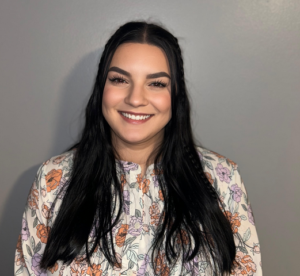
 Ajla Dizdarevic
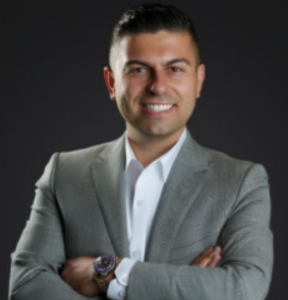
Dino Bolić is a resident physician at the University of Iowa-Des Moines Internal Medicine Residency Program. Bolić graduated from Kansas City University’s medical program, earning his Doctor of Osteopathic Medicine (DO) degree. He received his BA from the University of Northern Iowa.
Can you describe your occupation, including your title, industry, duties, and the impact your actions have in your field?
I am an internal medicine (IM) resident physician at an academic hospital. As an IM resident physician, I work exclusively with the adult population of the hospital, particularly on inpatient medical floors and the intensive care unit. Given that I’m still in training, I participate in simulated patient encounters and didactics like medical conferences and journal clubs, reviewing the latest guidelines and research to further my understanding.
Internal medicine is often seen as the “detective” of adult medicine, with many of the subspecialities (e.g., cardiology, oncology) stemming from it. IM physicians are often the primary physician driving the care of any patient admitted to the adult floors of the hospital, effectively coordinating the various specialties that may be involved. I’m often working upwards of 50–70 hours a week, and my schedule includes night shifts and being on call during the weekend.
How did you get your start in your industry?
During high school, I shadowed professionals working in various medical specialties. In college, I declared a double major in biochemistry and biology to satisfy pre-requisites that made me eligible for medical school. To apply to medical school, I also had to take the Medical College Admission Test (MCAT). I matriculated into medical school right after my senior year of college, spending four years studying to receive my medical doctorate.
In medical school, all students must undergo a program called “the match” to advance into residency. It’s during this time that you must declare and apply for specific medical specialities and interview with the various programs that offer you an interview. I declared internal medicine as my specialty.
What steps have you taken over the years to advance in your industry?
Dedicating large swaths of my time to studying for classes in college and for the MCAT prepared me for the rigor of medical school. Medical school was several magnitudes higher in difficulty than college; we covered mind-numbingly large amounts of content and material crammed into weeks rather than semesters. Maintaining a strong work ethic was difficult while trying to enjoy what little free time I had during those four years.
In addition, I’ve been able to advance as far as I have because of my strong support system; I credit a great deal of my achievements to my family and spouse.
How has working in your industry strengthened your connection to the Bosnian community?
I work in a city with a large Bosnian population, meaning many members of the community are treated as patients and work as employees in the hospital I’m at. This proximity has helped me work on addressing the gaps in healthcare that physicians have strived to mend in the last two decades. We often talk about the “socioeconomic determinants of health” in medicine, which are the various non-medical, environmental, and social conditions that influence health outcomes. One of these determinants is language barriers, which our parents’ generation still struggles with. I’m able to interpret and translate the care they’re receiving.
What aspects of your industry have you made more accessible to the Bosnian community?
By representing our diaspora as a Bosnian healthcare worker, I hope to normalize more of us being in these positions. I want our community to recognize that we are just as capable of becoming things like doctors.
What has been a memorable project for you, and what did it teach you?
I’ve been the primary investigator for an ongoing study about metastatic prostate cancer. While I’ve been involved in various forms of research since medical school, this study is my first time serving as the primary lead investigator on a project. It’s rewarding to contribute to medical literature and research at large. It has also been eye-opening to see the level of precision and detail required to produce research that is deemed acceptable and ethical within medicine. We are nearing the end of this project and are currently underway with final preparations to submit our findings to a medical oncology journal.
What advice do you have for Bosnian-American professionals who want to join your industry?
Pursuing a career in medicine requires a great deal of sacrifice. I’ve often felt lonely since I was the first in my family to go into medicine, let alone a career in healthcare. What helped was seeking out mentors in college and high school, which I did by joining organizations like the Pre-Med Club and networking with others. I also recommend carving out protected free time in your schedule to avoid significant burnout. Developing good study strategies early in your academic career will yield large dividends when you’re studying for national level exams in medical school, such as the USMLE.
I also want to mention that I’m always willing to help anyone pursuing a career in medicine, so reach out to me on social media. My door is open if you want advice or a realistic view of what practicing medicine in the US is like.