Interview with Edina Bolić
 Ajla Dizdarevic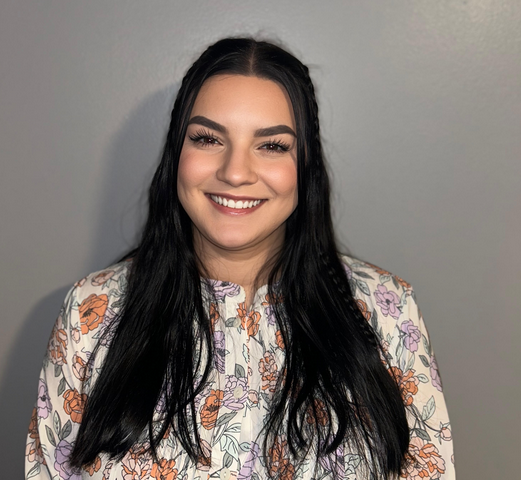
Edina Bolić works as a case manager and counselor in social services, supporting people who struggle with behavioral health issues and substance dependency. She earned her B.A. in psychology from the University of Missouri.
Can you describe your occupation, including your title, industry, duties, and the impact your actions have in your field?
I’m a case manager-counselor in the behavioral health and substance use treatment field. I work within a residential/halfway‑house. In my role, I lead structured therapeutic groups and recovery-focused activities that teach clients coping skills, helping them gain insight into the emotions, behaviors, triggers, and underlying issues that bring them to treatment. I also complete clinical documentation, support treatment plan goals, and maintain a safe, supportive environment for clients working toward sobriety and stability.
A major part of my job is creating and facilitating lessons on emotional regulation, relapse prevention, communication skills, self‑awareness, and just about anything related to addiction and personal growth. The impact of my actions shows up in the daily progress clients make!
How did you get your start in your industry?
I joined social services because of my lifelong interest in helping others. Initially, I worked in coordination of care while living in Kansas City, Missouri. However, when I moved to Des Moines, Iowa, it was difficult to find a position in that area of social services. That pushed me to explore counseling careers, which is how I discovered that I could apply my skills to the fields of behavioral health and substance use treatment. I come from a family with a history of addiction that I never fully understood and didn’t have the resources needed to help my family. This personal connection motivated me to learn more and step into the field.
I began working in outpatient treatment, where I quickly noticed how limited motivation can be in early recovery. After six months of showing strong engagement and leadership, I was offered a supervisor position at a recovery house in Des Moines. My experience combined with facilitating groups, supporting clients through early sobriety, and learning the daily operations of treatment gave me a strong foundation in communication and crisis support. Over time, I realized how deeply I connected with the work I do and how meaningful it feels to help clients gain control over their lives again.
What steps have you taken over the years to advance in your industry?
I’ve built my skills by taking on more responsibility at work and learning from every client interaction. For example, I step out of my comfort zone by leading new types of groups, where I address and facilitate difficult conversations that challenge me to grow professionally. By doing this, I’ve strengthened my facilitation abilities.
Additionally, I’ve educated myself about addiction as a disease to better understand the science, behaviors, and emotional patterns behind it. Educating myself in this way has helped me approach clients with more empathy and confidence. I’ve also sought knowledge to improve my understanding of motivational interviewing techniques and trauma‑informed approaches, helping me better support clients.
How has working in your industry strengthened your connection to the Bosnian community?
I’ve gained a deeper understanding of the challenges that Bosnian Americans face, with many of these issues brought on by trauma, generational stress, cultural expectations, and stigma preventing people from seeking help. My work allows me to support our community by bridging the divide between traditional values and modern mental health needs.
What aspects of your industry have you made more accessible to the Bosnian community?
I’ve helped make mental health and recovery support more accessible by creating a safe, culturally aware space where Bosnian clients feel understood, not judged. Reducing stigma around therapy and recovery helps my clients understand treatment expectations, in turn empowering them to express themselves emotionally.
What has been a memorable project for you, and what did it teach you?
One of the most memorable projects for me was organizing a donation effort at the end of Ramadan. I invited members of the Bosnian community to support the recovery house I was supervising. It was the first time many of them had ever been asked to contribute to a treatment program, and the response was overwhelming. People donated food, hygiene products, clothing, and other essentials to help individuals rebuild their lives. I saw just how powerful community can be when people are given the chance to show up. More personally, it meant a lot to organize a project that connected my Bosnian background with my professional work.
What advice do you have for Bosnian-American professionals who want to join your industry?
Lead with empathy and stay open to learning. Also, don’t underestimate the value of your Bosnian background when it comes to connecting with people you think you have nothing in common with! There have been many times when I questioned whether my work would truly benefit clients because I haven’t experienced addiction myself. Even though I don’t know what it’s like to be dependent on a substance, I do know what it feels like to be lost and unsure of my direction in life, which lets me authentically connect with clients.